
How to Remove Pet Smells From a Couch
The Real Reason Couch Odors Keep Coming Back in Augusta, Georgia

How to Remove Pet Smells From a Couch in Augusta, Georgia is one of the most searched questions we hear from families who love their pets but do not love what gets left behind. A couch holds onto odor in a sneaky way. Fabric catches dander, body oils, and everyday dust. Cushions soak up the “invisible” stuff that lingers after a quick wipe-down, especially if a pet likes to nap in the same spot every day.
Augusta, Georgia homes deal with a mix of outdoor humidity, seasonal pollen, and busy family routines. All of that can make a couch smell “stale” faster. Add one pet accident or repeated wet paws, and the odor can shift from mild to noticeable. Many people try to fix it by dumping cleaner on the cushion or scrubbing with a soaked rag. Unfortunately, too much moisture is one of the fastest ways to turn a small odor problem into a bigger one, because damp cushion cores can hold smells longer and take forever to dry.
Our team approaches odor problems with a quick-drying mindset. After more than 30 years in the cleaning world, we have learned that the best results come from removing the source, not masking it. We also stick to a family-safe, eco-friendly approach whenever possible, because your couch is where kids flop down, guests sit, and pets curl up.
A Low-Moisture Game Plan You Can Actually Use
Most DIY methods fail for one simple reason: they only treat the surface. Pet odors often live in layers. Some odors sit on top of the fabric. Others sink into the cushion wrap, the foam core, and even the creases where hair and oils collect.
This guide walks you through How to Remove Pet Smells From a Couch in Augusta, Georgia without soaking the cushions, using a low-moisture method that keeps drying time short and reduces the risk of lingering dampness. You will also learn what is safe vs what is risky, plus the exact moment when calling in a professional is the smarter move.
Keep reading, because the next section lays out a step-by-step process you can follow today, even if you only have basic supplies.
Step-by-Step Process: How to Remove Pet Smells From a Couch in Augusta, Georgia Without Soaking the Cushions

Step 1: Confirm the Fabric Code and Spot-Test First
Before you touch any cleaner, check the tag under your couch cushions. Most upholstery tags include a cleaning code:
W means water-based cleaner is generally safe.
S means solvent-based cleaner only.
WS means either can work with care.
X means vacuum only, no liquids.
This step matters because the wrong product can set stains, weaken fibers, or leave rings that are hard to fix. Even if you are confident, do a spot test in a hidden area like the back corner or under a cushion skirt. Use a tiny amount of your chosen solution, blot once, then let it dry.
What’s safe:
A small spot test.
A light mist, never a heavy soak.
Blotting with a white towel.
What’s risky:
Rubbing aggressively, which can fuzz fabric and spread odor.
Pouring cleaner directly onto the cushion.
Using strong fragrances to “cover” odors.
If you want a deeper refresh that stays quick-drying, our upholstery cleaning process is built around removing soils and odor residues without leaving the couch drenched.
Step 2: Dry-Remove Hair, Dander, and Crumb Build-Up
Odor loves “stuff.” Hair, dander, crumbs, and dusty grit become a scent magnet, especially in the areas where pets rest. Start with a thorough dry removal routine before you use any deodorizing steps.
Use a vacuum with an upholstery attachment and go slowly:
Vacuum the seat cushions (top and bottom if removable).
Vacuum along seams, piping, and tufted areas.
Vacuum the backrest, arms, and under cushions.
Use a crevice tool where pet hair hides.
For stubborn hair:
Put on a damp rubber glove and lightly swipe the fabric.
The hair will gather into clumps you can pick up.
Use a fabric-safe lint brush or a pet hair tool designed for upholstery.
Dry removal is not just a “prep” step. It is part of How to Remove Pet Smells From a Couch in Augusta, Georgia, because eliminating odor-trapping debris makes every next step more effective.
Step 3: Identify the Odor Zone Instead of Treating the Whole Couch
Treating the entire couch sounds efficient, but it often leads to over-wetting. Instead, locate the specific odor zones. Pet odors usually concentrate in:
The favorite nap spot
The arm where a dog rests its chin
The cushion corner where a cat kneads
The seam line where fur and oils collect
A simple way to find the zone is the “nose test” with a clean towel:
Press a dry white towel into a suspected area for 5 seconds.
Lift it and smell the towel.
Repeat in different areas until you isolate the strongest spot.
If you suspect a pet accident happened, focus on one cushion at a time. The goal is targeted treatment with minimal moisture, not a full saturation approach.
What’s safe:
Working in small sections.
Treating one cushion, then letting it dry before moving to the next.
What’s risky:
Spraying everything “just in case.”
Using a wet rag across the whole couch and pushing odor deeper.
Step 4: Use Baking Soda the Right Way for Low-Moisture Odor Absorption

Baking soda is popular for a reason. It helps absorb and neutralize mild odors without adding moisture. The mistake most people make is using it on a damp couch or applying it too thick.
Here is the low-moisture method:
Sprinkle a light, even layer of baking soda over the odor zone.
Use your hand or a soft brush to gently work it into the fabric surface. No scrubbing.
Let it sit for at least 8 hours, or overnight if possible.
Vacuum slowly and thoroughly to remove all residue.
This step is especially helpful for everyday “pet smell” buildup, where the couch smells a little like dog or cat even without a visible stain. Baking soda works best after Step 2, because hair and dander can block it from reaching the fabric surface.
What’s safe:
A thin layer and longer dwell time.
Vacuuming slowly with a clean filter.
What’s risky:
Mixing baking soda with water into a paste on upholstery.
Leaving thick baking soda piles that are hard to fully remove.
A quick note for Augusta, Georgia homes: humidity can slow drying in general, even for small amounts of moisture. Baking soda is a smart first-line step because it stays dry and helps you avoid over-wetting the cushion.
Step 5: Spot-Treat Odor with a Light Mist, Then Blot, Never Soak

If baking soda alone does not fix the smell, you need a spot treatment that targets odor residues while staying low-moisture. The key is controlled application.
Choose one of these options based on the fabric code and your comfort level:
A fabric-safe enzyme spray designed for pet odors (best for accident-related smells).
A very light vinegar-and-water mist for general odor refresh on W or WS fabrics.
How to do it without soaking:
Put your solution in a fine-mist spray bottle.
Hold it 10–12 inches away from the fabric.
Mist the odor zone lightly. The fabric should feel barely damp, not wet.
Let it sit for 3–5 minutes.
Blot firmly with a clean white towel.
Repeat once if needed, then stop and allow drying.
This is the step where many DIY attempts go off-track. If you spray until the cushion feels wet, the odor can move downward into the cushion core. A light mist plus blotting pulls residues up and out instead of pushing them deeper.
For general upholstery cleaning guidance and safe, common household options, HGTV notes that diluted vinegar can help with serious odors when used carefully and allowed to dry fully.
Step 6: Lift Odor Residue with a Low-Moisture “Towel Press” Method

After a light mist and blot, the next move is to pull residue out without re-wetting the cushion. A towel press works well because it uses pressure instead of extra liquid.
Here’s how to do it:
Lay a clean, dry white towel over the treated area.
Press down firmly with both hands for 10–15 seconds.
Lift and move to a fresh section of the towel.
Repeat across the odor zone.
This method is helpful when the smell is “clinging” even after Step 5. Pressure helps transfer odor-causing residues into the towel, especially in fabric weaves that hold onto oils and pet dander.
What’s safe:
Using multiple clean towels so you’re always pressing with a dry area.
Pressing, not rubbing, to protect the fabric.
What’s risky:
Scrubbing in circles, which can distort upholstery fibers.
Using colored towels that can transfer dye.
If you notice discoloration on the towel, you’re making progress. Keep your moisture level low and let the couch rest before you treat again.
Step 7: Neutralize Odors Without Heavy Fragrances
A strong “clean” smell can feel satisfying, but heavy fragrance often masks the odor instead of removing it. In addition, perfumes can mix with pet odor and create a weird “sweet + sour” scent that’s harder to live with.
A better approach is neutralizing:
Use an unscented enzyme product made for pet odors when you suspect urine or accident residue.
Use a mild, fabric-safe deodorizer designed for upholstery, applied as a very light mist.
Finish with another short baking soda cycle if needed (thin layer, overnight, vacuum).
The goal is a couch that smells like nothing. That “neutral” finish is how you know you’re actually solving the problem.
What’s safe:
Unscented or lightly scented products designed for upholstery.
Products that dry clean without sticky residue.
What’s risky:
Air fresheners sprayed directly on fabric.
Essential oils on upholstery (many oils can stain, attract dirt, or irritate pets).
If you’re stuck between “it smells fine for a day” and “it always comes back,” that usually means odor is trapped deeper than the fabric surface. Step 8 and Step 9 address that problem.
Step 8: Treat the Cushion Edges, Seams, and Zippers Where Odor Hides
Pet smell often lives in the places people skip. Seams, piping, and zipper edges trap hair, oils, and dried residue. Treating only the center of the cushion can leave behind the real odor source.
Do this:
Vacuum seams again with a crevice tool.
Use a cotton swab or corner of a towel to lightly wipe zipper areas.
Apply a very light mist only along seams if they smell stronger than the cushion center.
Blot immediately and press with a dry towel.
If the cushion has a removable cover:
Unzip it and check the inside edge.
Odor sometimes sits where the cover folds.
Avoid washing the cover unless the tag allows it, because some covers shrink or lose shape.
What’s safe:
Targeted seam treatment with minimal moisture.
Vacuuming seams and creases thoroughly.
What’s risky:
Spraying inside the cushion cover.
Over-wetting zipper areas, which can create water marks.
For many Augusta, Georgia homes, seam buildup happens faster in high-use living rooms.
A quick seam routine every couple of weeks helps keep odors from building up again.
Step 9: Speed-Dry the Couch the Right Way
Fast drying is the secret to removing pet smells without creating new issues. Even “light mist” cleaning needs smart airflow, especially in humid conditions.
Use this drying plan:
Turn on ceiling fans in the room.
Aim a box fan at the couch from a few feet away, angled slightly downward.
Open windows only if outdoor humidity is reasonable; otherwise, use your HVAC to control indoor moisture.
Flip removable cushions upright so airflow hits both sides.
Give it time. A couch should feel fully dry before anyone sits down again.
What’s safe:
Fans and airflow.
Keeping cushions separated while drying.
What’s risky:
Heat blasting with a hair dryer too close to fabric (can set stains or shrink fibers).
Covering damp cushions with throws to “hide” the area.
Odor that keeps returning usually means residue is deeper than the surface. If you’ve tried these steps and the smell comes back in the same spot, our team can help you avoid trial-and-error and get a deeper, quick-drying clean that’s safer for your furniture.
Step 10: Know When DIY Stops Working and When to Call a Pro
Some couch odors respond well to low-moisture DIY. Others don’t.
Calling a professional is a smart move when:
The odor returns within a few days even after careful drying.
A pet accident soaked into the foam core.
The couch smells worse when the room warms up (heat reactivates old residues).
You see discoloration or rings forming from repeated spot cleaning.
The fabric code is S or X and you’re not sure what products are safe.
When odors are stubborn, it’s usually because the source sits below the surface. Professional tools and controlled cleaning methods help extract residues without soaking the cushion and without leaving behind sticky product that attracts dirt later.
If pet odors are a recurring problem in your home, it helps to treat the full situation, not just the cushion. Our pet odor and stain removal process is designed to target the source and reduce repeat issues. Schedule you cleaning now!
Benefits of carpet cleaning for a fresher home in Augusta, Georgia
Why carpet cleaning matters when the couch is the main odor problem
How to Remove Pet Smells From a Couch in Augusta, Georgia often feels like a couch-only issue at first. A pet has a favorite spot, the cushion smells, and it seems like the odor starts and ends there. However, pets move between the couch, the carpet, and nearby rugs all day. Carpet fibers can trap the same odor sources that build up on upholstery, including pet hair, dander, body oils, tracked-in dirt, and old spot-cleaning residue. As a result, a couch can smell better after DIY steps, but the room still feels “off” because the carpet is holding onto background odor you can’t see.
A fresher home feel without relying on fragrance
Carpet cleaning supports a cleaner-feeling home because it removes built-up soil that can make indoor spaces feel stale. Pet odor is rarely just one scent. More often, it is a blend of small things that add up over time, like fur that settles into the carpet, oils that transfer from paws, and dust that clings to fibers. Meanwhile, high-traffic areas near the couch tend to collect the most buildup because that’s where people walk, kids play, and pets lounge. A deeper clean helps reset the room so the air smells more neutral and the living space feels more inviting across Augusta, Georgia homes.
Better odor control because you remove what feeds the smell
Odor tends to cling to what it can stick to, and dirty carpet gives it plenty of places to hang on. Dust, fine debris, and oily residue create a surface that holds smell longer. In addition, some store-bought carpet shampoos leave behind a sticky film that attracts new dirt. That buildup can make odors return sooner than expected. A thorough clean that focuses on removing soil and minimizing leftover residue helps break the cycle, which makes your couch-cleaning results last longer.
Appearance and long-term maintenance benefits
Dirt is abrasive, and when it sits in carpet fibers, it can dull the look of the carpet and make it feel rougher underfoot. Pets can speed up that wear because constant traffic and shedding increase the amount of debris trapped in the pile. Regular carpet cleaning lifts that abrasive grit and helps carpet fibers look more even over time. It also makes routine vacuuming more effective because pet hair and dander release more easily when the carpet isn’t loaded with buildup. As a result, odors have fewer chances to collect between cleanings.
Comfort in the spaces your family uses most
Living rooms are meant to feel relaxing, but lingering pet odor can make the space less enjoyable even when everything looks tidy. Clean carpets can make the room feel lighter because the overall odor level drops, the floor feels cleaner on bare feet, and the space feels more guest-ready without relying on sprays. Families also appreciate how a cleaner carpet supports everyday comfort, because play areas feel fresher and the living room feels easier to maintain.
Preventing repeat problems with a smarter cleaning strategy
Many Augusta, Georgia homes do best with a layered approach rather than a one-time fix. Low-moisture couch odor control handles targeted furniture issues, while routine carpet cleaning reduces room-wide odor buildup. When you coordinate both, you’re less likely to feel like you’re chasing smells from the couch to the carpet and back again. In addition, if pet odors show up in multiple places, a focused odor and stain treatment can help stop the problem at the source. Upholstery cleaning can also help when odors have spread to chairs, ottomans, or other fabric furniture, because it brings the whole room closer to a neutral finish.
Avoiding common DIY mistakes that can make odors worse
Carpet cleaning helps you avoid the most common issues that keep pet smells lingering. Over-wetting can slow drying and keep odors trapped. Overusing detergent can leave residue that attracts dirt. Aggressive scrubbing can push residues deeper and make carpets look worn. A professional-grade approach focuses on controlled cleaning, thorough soil removal, and a finish that does not rely on heavy fragrance. For general couch care and safe cleaning techniques that emphasize proper methods and drying, HGTV shares practical guidance you can apply at home. When you pair good home habits with deeper carpet cleaning as needed, your progress on How to Remove Pet Smells From a Couch in Augusta, Georgia tends to last longer instead of fading after a few days.
Pro Tips & Home Care Guide for Augusta, Georgia Homes
Tip 1: Create a “fresh couch routine” that prevents buildup before it starts
How to Remove Pet Smells From a Couch in Augusta, Georgia gets easier when you stop odor before it settles in. Pets shed, they carry oils on their fur, and they bring in outdoor dust that loves fabric. A simple routine keeps your couch from becoming the main odor magnet in the living room. Vacuum the cushions and seams at least once a week, and slow down along the piping where hair hides. Keep a washable throw on your pet’s favorite spot, because it’s easier to wash a throw than to constantly treat cushion fabric. Meanwhile, rotate cushions if your couch allows it, because repeated pressure in the same place can push odors deeper into the cushion layers over time. When you notice a light “pet smell” starting to return, use a thin, dry baking soda layer overnight and vacuum it out the next morning. Consistency matters here, because small resets prevent the need for bigger cleanups later.
Tip 2: Treat new accidents fast, but keep moisture controlled
Speed matters with pet accidents, but soaking is where many people go wrong. Blot immediately with a clean towel, and keep blotting until the towel stops picking up moisture. Avoid rubbing, because rubbing spreads the mess and pushes it deeper. After blotting, apply a small amount of enzyme product designed for pet odors, but use a light mist rather than flooding the cushion. Let it dwell for the time listed on the label, then blot again. Finish by pressing a dry towel firmly into the spot to pull residue upward. Quick drying is just as important as cleaning, especially in Augusta, Georgia where humidity can make damp upholstery linger. Turn on fans and aim airflow across the cushion. If the smell returns quickly in the same spot, that’s often a sign the odor reached deeper layers, which is when professional upholstery cleaning becomes the safer choice than repeating DIY treatments over and over.
Tip 3: Skip “cover-up” sprays and focus on neutralizing odors
Many products smell strong on purpose, and it’s tempting to use them when you want fast results. However, heavy fragrance can mix with pet odor and create a lingering smell that’s even harder to remove later. A better goal is a couch that smells neutral. Choose unscented or lightly scented solutions that are made for upholstery, and keep application light. When you clean, always remove the odor source first by vacuuming hair and dander thoroughly. After that, use minimal-moisture spot treatment and blotting to lift residue. If you need a reset, use baking soda as a dry odor absorber. When the couch smells clean without perfume, your work on How to Remove Pet Smells From a Couch in Augusta, Georgia is usually holding for the right reason, because you removed what caused the odor instead of hiding it.
Tip 4: Keep the whole room in mind, not just the couch
A couch can smell like the problem, but living room odors often come from shared surfaces. Pets move from couch to carpet to rugs and back again, which spreads odor sources around the room. Vacuum the carpet near the couch frequently, and clean rugs on a consistent schedule so odors don’t keep reintroducing themselves into the space. Also, wash pet bedding regularly and keep it out of high-traffic couch areas if possible. Good airflow helps as well, because stagnant rooms hold odor longer. For general indoor freshness guidance, the Environmental Protection Agency shares practical information about improving indoor air quality and controlling sources of indoor pollutants. Even though this is not a medical promise, it’s a common-sense reminder that cleaner surfaces plus better airflow make a home feel fresher and more comfortable.
Tip 5: Know when to stop DIY and choose a deeper, safer clean
DIY works well for light odor buildup and mild surface issues, but repeated treatments can create new problems. Over-wetting can slow drying and trap smell in cushion cores. Overusing product can leave residue that attracts dirt and makes odors return faster. If you’ve followed the low-moisture steps and the odor keeps coming back, it’s a good time to choose professional help instead of guessing. Our team sees this often in Augusta, Georgia homes where pets have one favorite couch spot that gets used daily. A deeper upholstery clean helps remove what DIY methods can’t reach while keeping the process controlled and quick-drying. If recurring odors feel frustrating or you want a more reliable reset, scheduling a visit can save time and protect the life of your couch.
The Safe-Dry Difference in Augusta, Georgia
A local team that treats your home like family
How to Remove Pet Smells From a Couch in Augusta, Georgia is not just about getting rid of a smell today. It’s about helping your home feel comfortable again and keeping it that way. Our local team works with families who love their pets and want a cleaner, fresher living space without harsh methods or soaking wet furniture. We bring a practical, service-first mindset to every job because we know your couch is where life happens. Kids pile up for movie night, friends sit and talk, and pets sneak their way into the best spot every time. Cleaning has to fit real life, not create extra stress.
More than 30 years of experience and a quick-drying mindset
Our company’s story is built on long-term trust, strong values, and doing the job the right way for families. That’s why we focus on methods that clean deeply without leaving furniture or carpets drenched. A low-moisture approach matters for upholstery because cushion materials can hold onto moisture longer than people expect. When a couch stays damp, odors can linger or return, and the fabric can take longer to feel comfortable again. Our goal is a cleaner couch and a fresher room, paired with a quick-drying process that helps you get back to normal faster.
A family-safe approach that avoids harsh, lingering residue
Many odor problems get worse when the wrong product leaves behind residue. Sticky residue can attract soil, and soil can hold odor. We focus on removing the source of the smell instead of layering fragrance on top. That approach is especially helpful for pet odors, because the smell is often tied to oils, dander, or accident residue that sits below the surface. When we clean upholstery, we pay attention to the details that matter most, like seams, cushion edges, and high-contact areas where pets rest. We also keep the process controlled, because furniture fabrics and cushion construction vary widely, and one-size-fits-all cleaning can lead to over-wetting or uneven results.
Professional technicians who focus on results, not shortcuts
A couch can look clean and still hold odor. That’s why we approach upholstery and odor work with a step-by-step process that targets what’s beneath the surface while protecting the fabric. Our technicians focus on careful inspection, identifying odor zones, and using the right level of moisture for the material. We also prioritize communication throughout the appointment, so you know what we’re doing, what we’re treating, and how to maintain results after we leave. That customer-focused service is a big part of what keeps families coming back, because clear expectations and consistent results matter just as much as the cleaning itself.
A satisfaction guarantee you can feel good about
When pet odors settle into upholstery, people often worry they’ll spend money and still smell the problem later. We understand that concern, especially when the couch is a major investment. We stand behind our work with a satisfaction-first mindset, because the goal is not a quick pass over the fabric. The goal is to help your living room feel fresh again and reduce the chance of repeat odor issues. If you’ve been trying different DIY methods and nothing sticks, a professional reset can be the difference between constant re-cleaning and a couch that finally feels comfortable to sit on again.
FAQs
How do I know if the pet smell is in the couch fabric or deep in the cushion in Augusta, Georgia?
How to Remove Pet Smells From a Couch in Augusta, Georgia starts with figuring out where the odor actually lives. Surface odor usually smells strongest right on top of the fabric and improves quickly after vacuuming and a baking soda treatment. Deep odor often returns after the couch “seems” clean, especially once the room warms up or someone sits on the cushion and compresses the foam. A simple way to test is the towel press method. Press a clean, dry towel firmly into the cushion for several seconds, then smell the towel. If the towel picks up a stronger odor than the fabric surface, the smell is likely deeper. Also check seams, zipper edges, and cushion corners, because that’s where oils and residue collect. When the odor keeps coming back in the same spot after careful low-moisture cleaning and proper drying, deeper cushion layers are usually involved. At that point, professional upholstery cleaning can help remove what surface-only methods cannot reach without soaking the cushion.
What is the safest DIY method for How to Remove Pet Smells From a Couch in Augusta, Georgia without soaking it?
The safest DIY approach is a low-moisture routine that focuses on dry removal first, then targeted treatment. Start by vacuuming slowly with an upholstery attachment, including seams and creases, because hair and dander trap odor. Next, apply a thin layer of baking soda to the odor zone, let it sit overnight, then vacuum thoroughly. If odor remains, use a fine-mist spray bottle to apply a very light mist of a fabric-safe pet odor product, then blot immediately with a white towel. Follow with a towel press to pull residue upward, and then speed-dry the cushion using fans and airflow. Avoid pouring liquids onto cushions or scrubbing aggressively. In Augusta, Georgia, humidity can slow drying, so airflow is essential. DIY works best for mild odors and surface buildup. If the smell returns quickly, that usually signals deeper residue, and it’s smarter to use a professional approach rather than repeating moisture-heavy treatments.
Can I use vinegar or baking soda on my couch if I live in Augusta, Georgia?
Baking soda is generally a safer option for How to Remove Pet Smells From a Couch in Augusta, Georgia because it’s dry and helps absorb mild odor without soaking cushions. Apply a thin, even layer, let it sit for several hours or overnight, then vacuum it out carefully. Vinegar can help with certain odors, but you should only use it as a very light mist on fabrics that allow water-based cleaning, and you should always spot-test first. Avoid vinegar on fabrics labeled S or X unless you are certain it’s safe. Vinegar also should never be poured or used heavily, because moisture can sink into cushion layers and create slow drying. For Augusta, Georgia homes, controlling moisture matters because damp cushions can hold odor longer. If you’re unsure about your fabric code or you’ve had repeated odors, a professional upholstery cleaning is often a safer choice than experimenting with stronger DIY mixtures.
Why does my couch smell fine after cleaning, then smell bad again a day later in Augusta, Georgia?
This is one of the most common frustrations with How to Remove Pet Smells From a Couch in Augusta, Georgia. When the smell disappears briefly and returns, it usually means one of two things happened. First, the odor source may be deeper than the surface, such as residue in the cushion wrap or foam. Surface cleaning improves the top layer, but compression and warmth can bring deeper odors back up. Second, leftover residue from cleaning products can attract new dirt and hold odor again, especially if too much product was used or the area wasn’t blotted thoroughly. Drying also matters. If cushions stay damp for too long, odors can linger or reappear. Augusta, Georgia humidity can slow drying, so airflow is key. If the same spot keeps returning with odor despite careful low-moisture steps, professional cleaning can help remove deeper residues in a controlled way without soaking the cushion.
How often should I clean my couch and carpets to prevent pet odors in Augusta, Georgia?
Frequency depends on pet habits, household traffic, and where pets spend the most time. For How to Remove Pet Smells From a Couch in Augusta, Georgia, a weekly vacuum of the couch cushions, seams, and nearby carpet is a great baseline. If pets regularly nap on the couch, adding a baking soda refresh every few weeks can help prevent odor buildup. Wash throws and pet blankets often, because they collect oils and odor quickly. For carpets, frequent vacuuming is important, especially in the living room. Deeper carpet cleaning on a consistent schedule helps reduce the “background odor” that can make the whole room feel stale. If you notice persistent odor, frequent accidents, or heavy traffic, you may need more regular professional cleaning. A good rule is to act before odors become obvious, because maintenance cleaning is easier and helps preserve the look and comfort of your living room in Augusta, Georgia.
What should I avoid if I’m trying How to Remove Pet Smells From a Couch in Augusta, Georgia quickly?
Avoid anything that adds too much moisture or leaves behind heavy residue. Do not pour cleaners directly onto cushions, because cushion foam can hold liquid and trap odor. Skip steam cleaning on upholstery unless you are experienced and the fabric tag allows it, because it’s easy to over-wet and create slow drying. Avoid scrubbing hard with stiff brushes, which can damage fibers and spread residue. Also avoid heavy fragrance sprays, because they usually mask odors instead of removing the source, and they can mix with pet smell in an unpleasant way. Finally, do not cover damp cushions with blankets or let pets sit on a wet spot. In Augusta, Georgia, keep airflow moving during drying to help the couch return to normal faster. When DIY feels risky, or if the odor returns repeatedly, professional upholstery cleaning becomes the safest route for reliable results.
When should I schedule professional help for pet odors in Augusta, Georgia instead of repeating DIY?
Professional help makes sense when your DIY efforts are careful but the odor still returns. If you’ve followed low-moisture steps, used proper blotting, and dried thoroughly, yet the smell comes back in the same cushion or seam area, deeper residue is likely involved. Scheduling also helps when there was a pet accident that soaked into cushion layers, when the odor gets stronger in warm weather, or when multiple living room surfaces smell off at the same time. For How to Remove Pet Smells From a Couch in Augusta, Georgia, professional upholstery cleaning can target odor zones with controlled methods that reduce over-wetting and improve consistency. If pet odors are spreading to carpets or rugs, pairing upholstery cleaning with a focused odor and stain treatment can help stop repeat problems and make the whole room feel fresh again, without relying on guesswork.
Ready for a fresher couch without the soak?
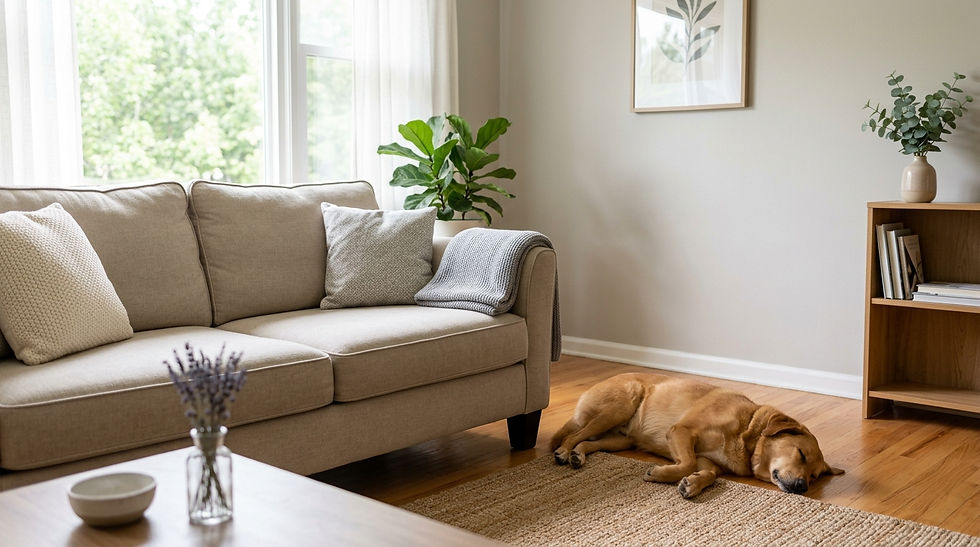
How to Remove Pet Smells From a Couch in Augusta, Georgia is completely doable when you focus on low moisture, targeted treatment, and fast drying. Start with dry removal, isolate the odor zone, and use light misting plus blotting instead of soaking the cushion. Keep airflow moving until everything is fully dry, and aim for a neutral finish instead of covering odors with heavy fragrance. Small weekly habits, like vacuuming seams and washing pet throws, can prevent the smell from building up again.
Some odors, however, sit deeper than DIY methods can reach. If you’ve followed the steps and the smell keeps returning, it’s usually a sign that residue is trapped below the surface or that the living room has multiple odor reservoirs. A professional reset can save time, protect your furniture, and help the room feel consistently fresh. Our team can help you handle stubborn couch odors and the surrounding living room surfaces with a quick-drying approach that fits real family life.
If you’re ready for reliable results, schedule an appointment with Safe-Dry Carpet Cleaning of Augusta, Georgia today. We’ll help you get back to a couch that feels comfortable, smells clean, and stays that way. Book now, and let’s make your living room feel fresh again.


